27 May 2026
Making Information Accessible Through Audio
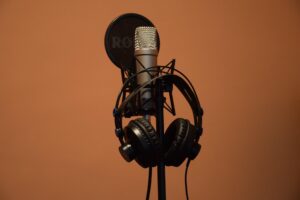
Accessible communication is about more than just providing information – it’s about making sure people can access and understand it in a way that works for them. For many people, audio can provide a more flexible, comfortable and accessible alternative to printed text. Whether someone is blind or visually impaired, has dyslexia, experiences screen fatigue or simply prefers listening to reading, audio versions of documents can help improve access and independence.
At A2i, we provide professional audio transcription services for a wide range of organisations and document types, helping make information more inclusive and accessible for everyone.
What is audio transcription?
Audio transcription involves converting written content into a spoken audio format.
This can include:
- Letters
- Reports
- Leaflets
- Policies
- Educational materials
- Newsletters
- Books
- Marketing content
Audio files can be supplied in formats such as MP3, CD, audiobook or podcast, depending on the needs of the end user. The aim is not simply to “read out” a document, but to create a clear and accessible listening experience.
Audio transcription is more than reading aloud
One of the biggest misconceptions about audio transcription is that it simply involves somebody reading words from a page. Accessible audio actually requires careful preparation and adaptation. Documents often contain headings, tables, images, bullet points, hyperlinks and complex layouts that don’t naturally translate into spoken content. Before recording begins, documents need to be reviewed and structured in a way that makes sense for listeners.
This might involve:
- Explaining visual elements
- Reworking awkward layouts
- Clarifying navigation and headings
- Adjusting pacing and tone
- Ensuring information flows naturally when heard aloud
The goal is to help listeners understand both the content and the structure of the information, not just hear the words themselves.
Human voice or digital voice?
At A2i, we can produce audio using either professional human narration or high-quality digital voices, depending on the project requirements.
Human narration can provide a more natural and engaging experience, particularly for longer-form or customer-facing content.
Digital voice solutions provide a faster, more cost-effective option for high-volume or time-sensitive projects, while still maintaining clarity and accessibility. They are also particularly effective for content containing a lot of numbers, such as phone bills, account statements and financial documents.
Whichever option is used, recordings are carefully checked to ensure they are accurate, easy to follow and suitable for the intended audience.
Why audio accessibility matters
People access information in different ways, and there is no single format that works for everyone. Providing audio alongside formats such as Braille, large print, Easy Read and accessible PDFs helps to give people choice and greater independence.
Audio formats can support:
- Independent access to information
- Reduced screen fatigue
- Easier access while travelling or multitasking
- Improved accessibility for people with print disabilities
- More inclusive communication overall
For organisations, providing accessible audio can also support accessibility responsibilities and demonstrate a commitment to inclusive communication.

How we create accessible audio
When creating audio versions of documents, accuracy and usability are equally important. Our team carefully reviews source files before recording to ensure content is adapted appropriately for audio delivery. We also work closely with clients to determine the most suitable format, voice style and turnaround requirements for each project.
We regularly produce audio for organisations across:
- Healthcare
- Education
- Local authorities
- Housing associations
- Charities
- Corporate sectors
Projects can range from short letters and leaflets through to large publications and ongoing accessible communication support.
Accessibility is about choice
Accessible communication is never a one-size-fits-all. Some people may prefer Braille. Others may benefit from large print or Easy Read documents. For many users, audio provides the most effective and convenient way to access information. By offering information in multiple formats, organisations can help ensure that more people can engage with their content confidently and independently.
Need information converted into audio?
Whether you need a single document converted into audio or ongoing support with accessible communications, our team can help.
Find out more about our audio services here A2i Audio Services